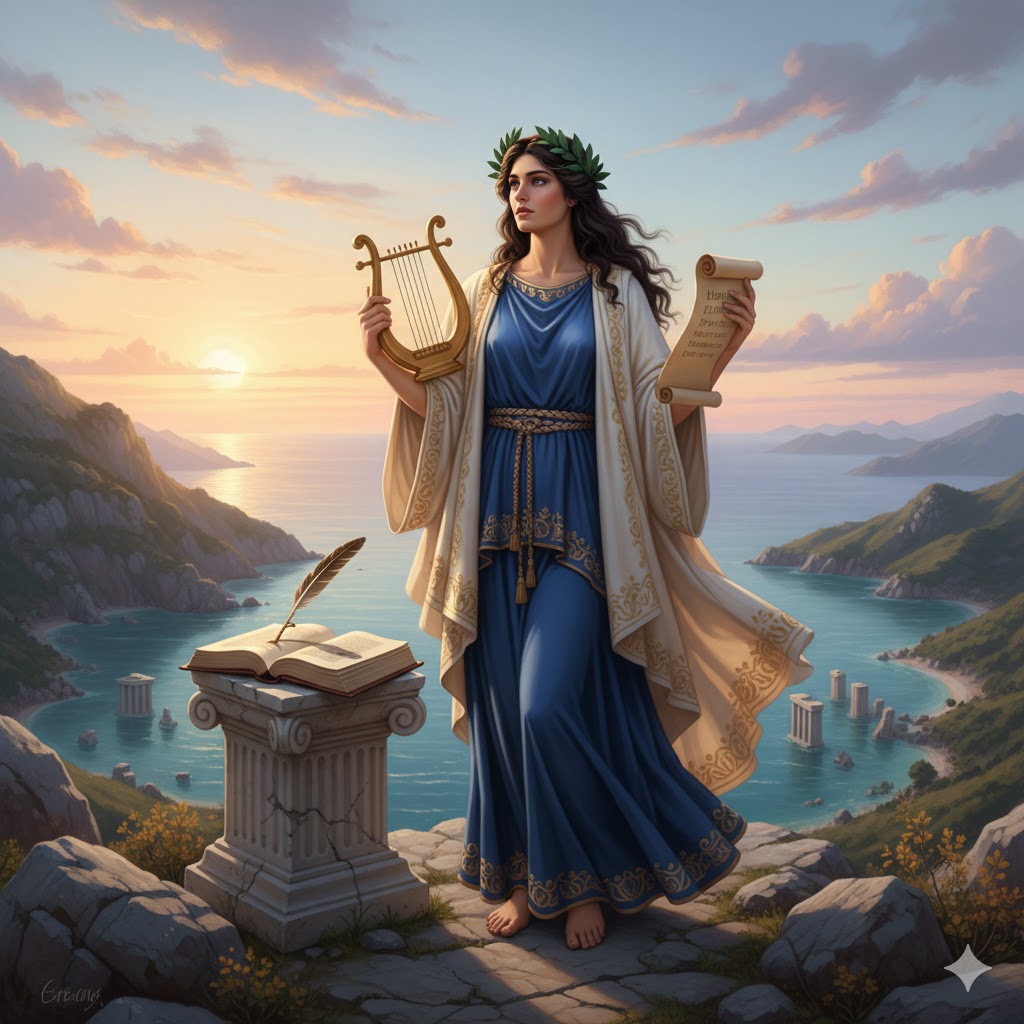
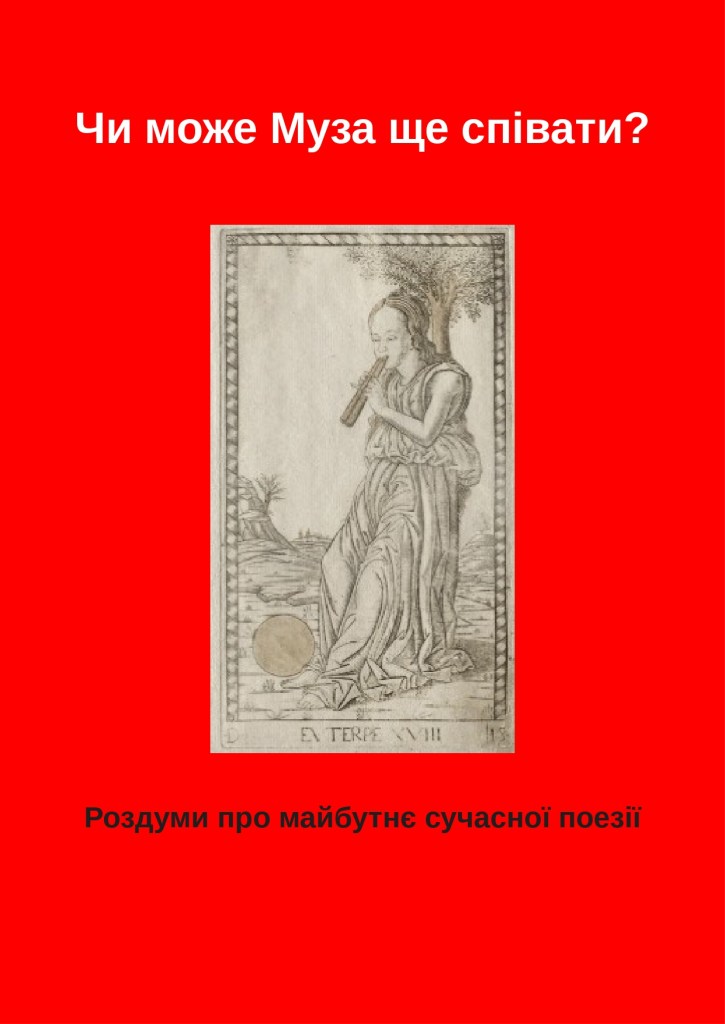
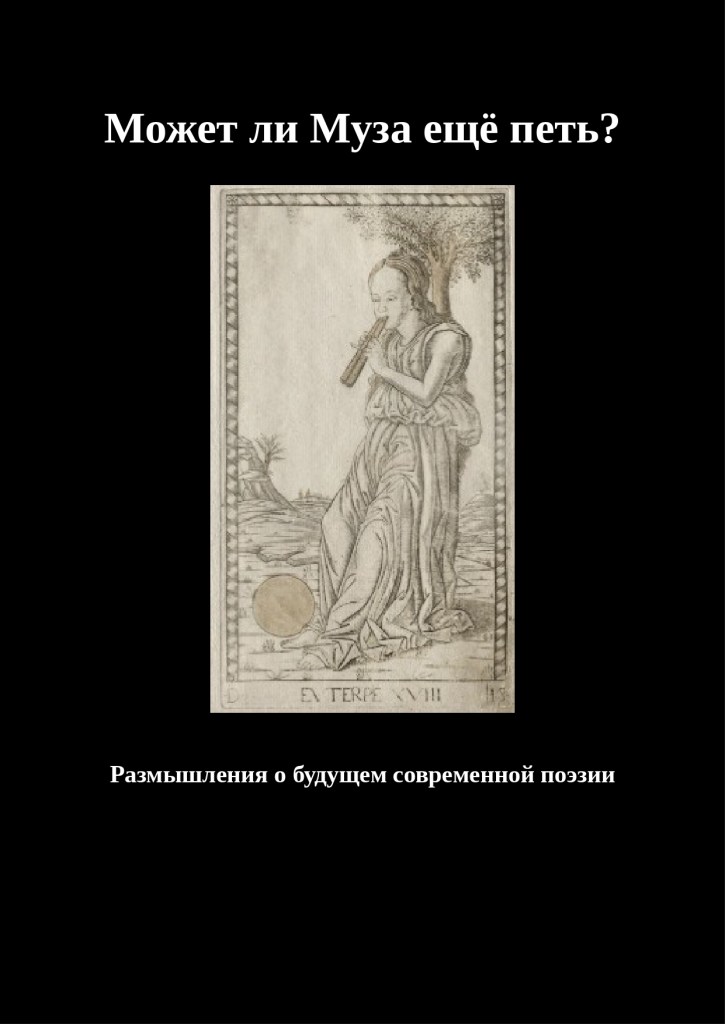
Західна культура починається із заклику до Музи на початку «Іліади»: з цієї думки ми можемо осягнути значення есеїстичної праці Вальтера Фрідріха Отто, опублікованої у 1954 році на суперечливу тему походження мови: «Музи та божественне походження слова і пісні».
Дослідження Отто починається з Німф, міфічних істот, які населяли природні стихії та викликали у тих, хто віддавався спогляданню природи, духовний землетрус, схожий на поетичне зачарування. Подібно до Німф, Музи також захоплюють душі смертних, підносячи їх до ролі поетів.
Музи, від чинного імені походить те потужне царство звуків, яке ми називаємо «музикою», були доньками Зевса і Мнемосіни. Будучи доньками батька богів і матері-титаніди, що символізує пам’ять, ці дев’ять олімпійських божеств дали голос чудесам світу.
Міфологія також зберегла розповіді про синів Муз — Ліна, Орфея, Таміріса та Реса, які представляли різні форми вираження у пісні та поезії.
У християнську епоху, у 404 році, пожежа знищила статуї Муз у Сенаті Константинополя. За свідченням Зосима, який описує цей епізод, це було знаком глибокого занепаду виховання, що мав охопити людство.
Отто вважає, що міф про Муз є найпереконливішою демонстрацією божественного походження мови, яка народилася передусім як пісня. Справді, мова може бути простою системою акустичної сигналізації, але коли вона виражається через артикульовану пісню, як це трапляється і в деяких видів тварин, мова передбачає ставлення самопрезентації, яке з’єднує істоту зі світом: у пісні лунає животворне знання.
Як стверджував фон Гумбольдт, речі стають присутніми у мові: вони постають перед словом як міфічні сутності. Доказом цього є багато абстрактних понять, які виникли як уособлення: кохання, свобода, вірність, перемога…
І Музи не лише співають, вони ще й танцюють, і в танці тіло заново відкриває себе повністю у ритмічному русі, що слідує за музикою.
Сучасні теорії про походження мови говорять про народження слів через утилітарні мотиви. Але насправді кожна людська мова має дивовижне багатство та здатність до нюансів, і якби мова задовольняла лише матеріальні потреби, для вираження було б достатньо звуків тварин.
Саме тому поети та музиканти є представниками абсолютно оригінальної форми мови. Подібну думку висловлював і Гете, коли казав, що, слухаючи музику Баха, він почувався так, ніби чує щось таке, що сталося в серці Бога незадовго до створення світу.
Книга Отто і досі є базовим читанням для дослідників античності та лінгвістичних дисциплін, навіть якщо в деяких аспектах це есе вже перевершене новішими філологічними дослідженнями (наприклад, Отто наводить стару етимологію Юнони Монети, нещодавно уточнену Жан Ордрі / Жаном Одрі).
Висновок Отто певною мірою нагадує гайдеггерівську ідею «слухання»: слова є єдиними з піснею богині, тобто з одкровенням, що відкриває світ і божественне.
***
Walter Otto, Die Musen und der göttliche Ursprung des Singens und Sagens, Diederichs, 1956
_______________________________
Текст перекладено з італійської на українську мову Google Gemini у 2026 році
————
Text translated from Italian into Ukrainian by Google Gemini in 2026
Жіноча згода на підкорення є одним із найбільш інтригуючих елементів стосунків між чоловіком і жінкою. Цей фактор романтичної алхімії може проявлятися з різними нюансами та в різних формах, аж до еротичних фантазій про сексуальну домінацію. Сама західна культура починається з історії про стосунки пана та рабині: Ахіллес і Брісеїда. У більш пізні часи самі жінки змогли описати цей аспект стосунків у парі, створивши такий шедевр XX століття, як «Історія О» Полін Реаж, а також значний поп-феномен, як «П’ятдесят відтінків сірого» Е. Л. Джеймс.
Навіть жанр фентезі знайшов оригінального інтерпретатора цієї наративної лінії в особі Джона Нормана, американського автора, який створив сагу про Гор. Джон Норман — це насправді псевдонім Джона Фредеріка Ланге-молодшого, який був професором філософії в кількох американських університетах і паралельно з академічною кар’єрою розробляв успішні серії художньої та публіцистичної літератури.
Художній світ планети Гор розгортається у варварському та дикому середовищі, де гендерні ролі чітко розмежовані та визначені: сильні та відважні чоловіки, герої епічних звершень, володіють наложницями-рабинями, які сприймають свій екзистенціальний статус — сповнений принижень і покарань — як незмінну умову. Стосунки між рабами та господарями ритуалізовані та регулюються точними правилами поведінки: рабиня Гору, яку називають «Каджира», дотримується жорсткого протоколу в одязі, поведінці та поставі тіла.
Сам Норман стверджує, що його літературна творчість натхненна трьома фундаментальними авторами західної культури: Гомером, Ніцше та Фройдом. Від Гомера Норман взяв опис архаїчних цінностей суспільства воїнів; від Ніцше — концепцію ієрархії та культ сили; від Фройда — ідею про те, що секс є центральним елементом людської психології.
«Горіанська» література, що розпочалася з роману «Тарнсмен з Гору» (Tarnsman of Gor) у 1966 році, мала значний успіх у 1970-х роках: загалом «горіанські» книги розійшлися накладом у сотні тисяч примірників. Останній опублікований на сьогодні том — 38-й у серії: «Скарб Гору» (Treasure of Gor, 2024). Багато з цих книг були перекладені французькою, іспанською, німецькою, італійською, російською мовами…
Сага також надихнула на створення двох фільмів: «Гор» (1987), режисера Фріца Кірша, та «Поза законом Гору» (Outlaw of Gor, 1988), режисера Джона Кардоса. Ці два фільми зосереджуються переважно на аспекті «героїчного фентезі» творів Нормана, тоді як більш сексуалізовані аспекти історій були значно пом’якшені. Ці кінопостановки свідчать про популярність саги про Гор навіть через двадцять років після виходу перших томів.
Зайве говорити, що успіх «горіанської» серії викликав лють у феміністок. «Прогресивні» сили, нездатні осягнути грайливі та пародійні аспекти «насильства», представленого як літературна фікція, намагалися заборонити розповсюдження книг, у деяких випадках успішно, на певний час змушуючи видавців відмовлятися від випуску нових частин. Однак серія завжди успішно продовжувала виходити…
Насправді, горіанські романи також мають форму філософських казок, що викривають лицемірство «ліберального» світу. Особливо показовим у цьому сенсі є один із найвідоміших творів: «Рабиня з Гору» (Slave Girl of Gor). У цій книзі головна героїня — вродлива модель, яку викрадають із Землі та привозять на планету Гор, де вона змушена адаптуватися до нового способу життя.
Деякі цитати з книги дають уявлення про погляди, що проявляються в «горіанській» думці. Жителі Гору не можуть збагнути кататонічного стану, в який занурилося чоловіче населення Землі:
«Чи могли б вони повірити, що може існувати світ, де чоловіки, вигукуючи політичні гасла, змагалися один з одним у тому, хто швидше відмовиться від свого панування, поспішаючи з радістю на власну кастрацію?»
Головна героїня згодом виявляє, що її новий статус відповідає більш природному стану, ніж той, що був нав’язаний соціальними умовами на Землі:
«Моя жіночність була пригнічена на Землі, по-перше, моїм власним обумовленням, плутаним продуктом століть інтелектуальної та соціальної патології, а по-друге, набором суспільних інститутів, у яких я виросла та існувала — радше ніж жила, — інститутів, для яких сексуальність була нерелевантною, якщо не ворожою».
І ще:
«Стан рабства робить жінку дуже вродливою. Він знімає бар’єри для прояву її жіночності та її найглибших потреб».
Що ще можна сказати? Горіанська література зробила «політичну некоректність» своєю відмінною рисою, створивши антифеміністичний епос з літературною якістю, яка заслуговує на увагу: цього достатньо, щоб зробити її перевідкриття стимулюючим та життєствердним у часи, коли «воук»-потік (woke) ризикує призвести людство до безпрецедентної антропологічної катастрофи…
__________
Англійська сторінка Вікіпедії, присвячена художній літературі циклу Гор:
Ця фраза зустрічається у книзі Фердинанда Оссендовського «Звірі, люди, боги». Книга Оссендовського була опублікована у 1922 році, і якщо на той час найлихіший з людей ще не народився, то складається враження, що на початку XXI століття найлихіші представники людства не лише вже народилися, а й перебувають у стані повної реалізації своєї демонічної сили, як ми можемо спостерігати на прикладі огидних проявів глобалізму…
У цьому ключі перечитування класичного твору Оссендовського є чимось значно більшим, ніж просто ерудитною вправою; воно все ще може дати нам корисні підказки для езотеричного тлумачення сучасних подій.
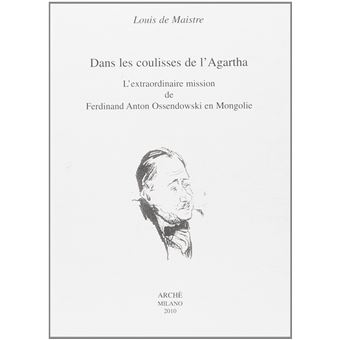
Нещодавнє есе Луї де Местра «За лаштунками Агарти» (Dans les coulisses de l’Agartha) — це масштабне дослідження про польського автора та його надзвичайну пригоду на азійських просторах. Книга де Местра є вагомою підмогою для осмислення захопливих тем Агарти та Короля Світу, які стали відомими завдяки Рене Генону, але були знайомі усним традиціям та езотеричній літературі й раніше.
Події, описані у «Звірях, людях, богах», зосереджені навколо епопеї барона Унгерна фон Штернберга, маловідомі широкому загалу, проте зовсім не є другорядними. У ті роки відбувалися не лише останні фази громадянської війни між «білими» та «червоними» у революційній Росії, а й розігрувалася важлива шахова партія за контроль над Азією між Росією, британською колоніальною імперією, Китаєм та Японією. Офіційна радянська історіографія зображувала Унгерна як пішака в руках Японії, але справи, схоже, обстоювали інакше: «божевільний барон» був воїном-романтиком, натхненним непохитною вірою в контрреволюційні ідеали. Як відомо, Унгерн фон Штернберг хотів завоювати Монголію, щоб зробити її базою, з якої можна було б кинути східні маси проти Заходу, винного в тому, що він прийняв матеріалістичні ідеології, найжахливішим виявом яких був комунізм. Історія Унгерна виявилася практично контрпродуктивною щодо початкових намірів: «кривавий барон» звільнив Монголію від китайців, лише щоб потім бути розгромленим більшовиками, внаслідок чого радянська влада захопила цю велику східну країну, не вступаючи у пряме зіткнення з китайською армією. Це перший епізод, коли нація була завойована комуністичною державою.
Книга Оссендовського мала надзвичайний успіх у період між двома світовими війнами, а переклад «Звірів, людей, богів» французькою мовою став винятковою культурною подією. Щоб представити твір публіці, було організовано круглий стіл, у якому взяли участь автор, орієнталіст Рене Груссе, католицький філософ Жак Марітен та езотерик Рене Генон.
Публіка цікавилася, чи і якою мірою Оссендовський запозичив тему Агарти з книги Сент-Іва д’Альвейдр «Місія Індії» (Mission de l’Inde), яка поширила легенду про східне походження на Заході. Генон відстоював оригінальність Оссендовського, але досить непереконливими аргументами. Зі свого боку, польський автор заперечував, що читав текст Сент-Іва, проте аналіз його книги викликав чимало сумнівів щодо щирості Оссендовського. Деякі знавці подорожей, власне, виявили суттєві невідповідності в описі місць та відстаней. Розповідь змінювалася залежно від видань, що публікувалися різними мовами. Крім того, деякі деталі були відверто малоймовірними: Оссендовський з великою легкістю виходив із надзвичайно небезпечних ситуацій… Сам Оссендовський подекуди визнавав, що написав історію, яка дещо «романтизована».
У польській версії книги описано дивний епізод, де автор зустрічає біля озера Тассун село, населене людьми зі світлим волоссям і блакитними очима, які нібито були нащадками венеціанських та генуезьких купців, що в середньовіччі проходили через ці землі. Окрім низької вірогідності самого епізоду, описані соматичні характеристики зовсім не нагадують типові риси італійців. Більш того, Оссендовський завжди був автором настільки ж плідним, наскільки поверховим, і демонстрував досить поверхневе знання історичних подій та східних релігій.
Луї де Местр реконструює біографію Оссендовського, яка містить чимало неоднозначних та загадкових моментів. Щодо культурної підготовки Оссендовського відомо, що він завжди сповідував запеклий антикомунізм, був католиком-модерністом, а на політичному рівні його можна було назвати ліберальним прогресистом. Наш автор, здається, також був замішаний у «справі Сиссона» — збірці документів, що підтримували теорію змови, згідно з якою Російська революція була інспірована Німеччиною, щоб вивільнити східний фронт і зосередити всі війська на Заході. Загалом, наявні дані про біографію Оссендовського дають підстави думати, що польський автор займався шпигунством на користь Білого руху, і Луї де Местр не виключає, що він міг вести подвійну або навіть потрійну гру: його пригода на Сході межує з дивом…
Ключовою фігурою на монгольській шахівниці того періоду був доктор Гей, ветеринар, який сертифікував стан здоров’я худоби і тому був критично важливим для забезпечення військ. Оссендовський був особливо добре поінформований про діяльність доктора Гея і, ймовірно, збирав інформацію про цю людину. Барон Унгерн засудив доктора Гея та всю його родину до смертної кари, бо був переконаний, що той працює на ворога, хоча, можливо, ветеринар став жертвою необґрунтованих підозр. Цей епізод припускає, що Оссендовський був залучений до делікатних розвідувальних місій і що його інформація високо цінувалася Унгерном.
Деякі дослідники також припускають, що рука Оссендовського допомогла у написанні «Наказу №15», відомої прокламації про заклик до зброї, якою Унгерн мав намір нацькувати «жовту расу» на Захід. Риторичний тон тексту дозволяє припустити втручання людей з літературними здібностями, а не військових, які не були звичні до письма.
Барон Унгерн був також постаттю з «протонацистськими» рисами: будучи запеклим антисемітом, він, як ми знаємо, наказав влаштувати єврейський погром після взяття Урги. Однак в англійському виданні «Звірів, людей, богів» цей епізод замовчується, і Оссендовський змушує Унгерна говорити, що його найближчі помічники — всі євреї. Луї де Местр вважає, що ця частина книги є повною фальсифікацією реальності, здійсненою автором, щоб зробити образ Унгерна більш «прийнятним» для англосаксонської публіки.
Тема Короля Світу, люба фантастичній літературі, також наповнювалася тривожними значеннями у своєму демонічному переверненні, про що згадував і Генон у книзі, присвяченій цій темі. Оссендовський у деяких своїх працях повертався до цієї теми, називаючи таємничого правителя титулом «Великий Невідомий», що нагадувало одночасно масонську тему «Невідомих вищих» і «Великого Брата», про якого говорив єврейський мислитель Якоб Франк. Ці натяки вписувалися в езотеричну культуру, яка була дуже поширеною на той час (і яка може допомогти нам і сьогодні зрозуміти багато аспектів сучасного світу).
Луї де Местр також підбиває підсумки гіпотез про походження назви «Агарта». Сент-Ів писав Aghartta, і назва Agharti могла походити від місцевості в Казахстані під назвою Агарту, враховуючи, що в тюрко-монгольських мовах кінцева «u» вимовляється як «u» з умляутом у німецькій мові. Існує також угорська місцевість під назвою Агард. Ми також знаємо про назву Agartus oppidum, згадану Луцієм Ампелієм у III столітті і віднесену до єгипетського міста. З іншого боку, Жаккольє посилався на назву Асгард з нордичних міфів, а Сент-Ів апелював до єврейського ageret, що означає «послання» і відсилало б до послань апостола Павла.
Міф про Агарту спокушав навіть деяких радянських інтелектуалів: у межах наукової експедиції, відправленої комуністичною владою на Кольський півострів, вчений Олександр Барченко мав на меті, серед іншого, дослідження з метою знайти можливий вхід до Агарти.
Навіть смерть Оссендовського пов’язана з загадковою подією. 1 січня 1945 року нацистський офіцер відвідує польського автора на його віллі поблизу Варшави, вони розмовляють кілька годин, і зрештою німець виходить з будинку з примірником «Звірів, людей, богів». Свідки та журналісти того часу висували різні гіпотези: німецький офіцер міг бути родичем барона Унгерна, такий собі Доллерт, який працював на німецьку розвідку і в повоєнний час нібито став ченцем-францисканцем в Ассізі. У копії книги могли бути секретні документи, що стосувалися подій, свідком яких був Оссендовський. Однак це лише спекуляції та припущення: 3 січня 1945 року Оссендовський помирає, забираючи в могилу свої можливі таємні знання про Короля Світу. У повоєнний час польський комуністичний режим забороняє публікацію «Звірів, людей, богів», і польські читачі зможуть знову насолодитися інтригуючими сторінками книги лише після закінчення холодної війни.
Есе Луї де Местра є фундаментальним довідковим текстом для глибшого вивчення подій, описаних Оссендовським, хоча більша частина творчості та життя польського автора залишається оповитою таємницею. Важливо, перш за все, підтримувати інтерес до епопеї, викладеної у «Звірях, людях, богах», не лише через захопливу тему Короля Світу, яка зберігає свою позаісторичну цінність, а й через обставини, за яких народилася книга. Оссендовський описав епізод Російської революції, ефективно відтворивши апокаліптичну атмосферу тих моментів. Глобалізм є логічним розвитком комунізму, і клімат ненависті та насильства, описаний Оссендовським, дуже схожий на той, яким дихає глобалізація…
************
Louis de Maistre, Dans les coulisses de l’Agartha.L’extraordinaire mission de Ferdinand Anton Ossendowski en Mongolie, Archè, Milano 2010, pp.392
____________________________________________
Текст перекладено з італійської на українську мову Google Gemini у 2026 році.
Text translated from Italian to Ukrainian by Google Gemini in 2026
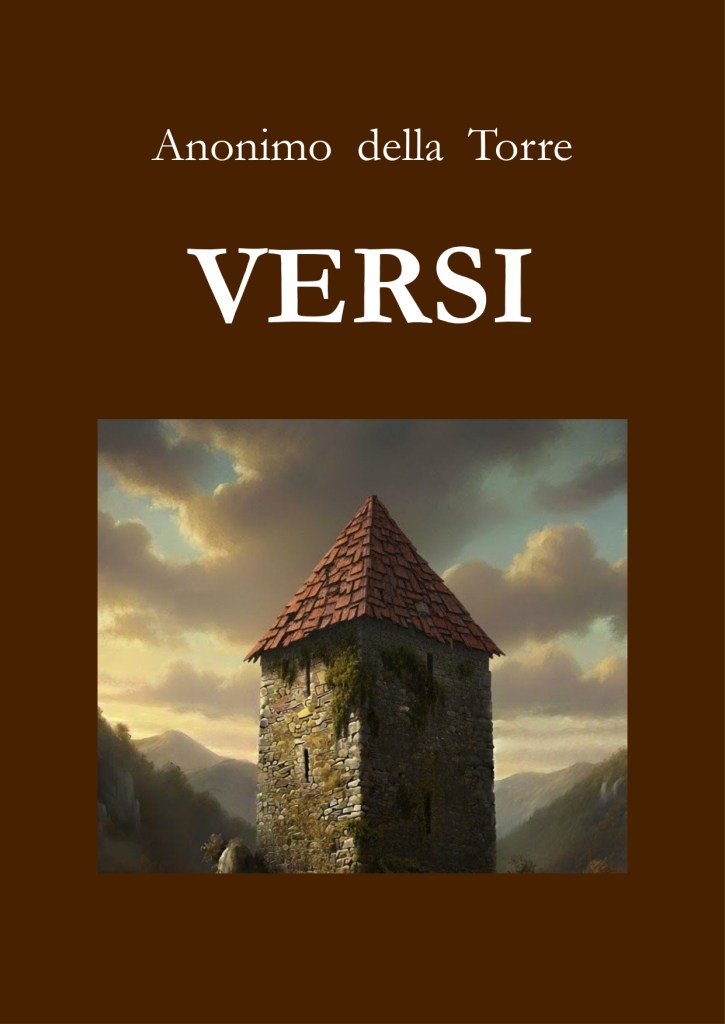
la resistenza del frammento sacro nell’afasia tardo–moderna
In un panorama letterario liquefatto dall’estetica on-demand e dal rumore bianco dei network, l’apparizione di questa silloge si pone come un autentico Kunstwerk di resistenza formale. Non siamo di fronte a una sterile restaurazione passatista, ma a un’operazione iper-consapevole che raccoglie le macerie delle forme metriche tradizionali – il sonetto, la terzina dantesca- e le usa come lanciafiamme contro il vuoto contemporaneo. Il recupero del sacro, del mito gaelico e norreno, e della filologia ermetica non è fuga nostalgica, ma l’unico antidoto possibile a un «vivere artefatto». C’è un rigore geometrico nel modo in cui l’endecasillabo viene teso fino allo spasmo, costringendo la materia mitica a farsi carne, ritmo e dissidio. Alcuni titoli della raccolta offrono una mappa precisa di questo percorso: Labirinto, Fluttuazioni, Navigazione. L’autore si muove tra questi poli elevando la parola a evento teurgico e rituale. Nei versi di Fluttuazioni, ad esempio, leggiamo: «La leggera afasia che mi ha sfiorato / rammemora gli istinti sovvenuti / all’indugio del tempo rallentato». Questa «afasia» è silenzio mistico necessario a ritrovare il λόγος e non è assenza di senso. Un’eco che dialoga direttamente con la filosofia del linguaggio di Giorgio Agamben sul concetto di inoperosità e infanzia della parola, o con le tensioni liriche di poeti contemporanei attenti alla verticalità del sacro come Milo De Angelis, dove la parola è sempre una soglia sospesa tra la vita e la dogana della morte.
Meccanismi testuali, neuroestetica e codici del sacro
Da un punto di vista analitico, l’opera dell’Anonimo si offre come un ottimale campo di indagine alla literary pragmatics e alla critica letteraria di matrice analitica. L’efficacia del testo si fonda sulla gestione del presupposition accommodation e sulla manipolazione delle illocutionary forces. Quando l’autore esordisce con «Torre che vede, torre che difende», non sta semplicemente descrivendo uno spazio, sta compiendo un speech act performativo che istituisce lo spazio sacro della visione (epoptia). I testi attivano complessi meccanismi di cohesion e coherence attraverso l’uso di isotopie mitologiche (l’albero Yggdrasill, il Re Melkisedech, il dio Lugh) che fungono da attrattori cognitivi. Sotto il profilo della neuroestetica, la struttura metrica serrata (il sonetto a rime baciate o alternate) agisce sui circuiti cerebrali dell’anticipazione e del piacere (reward system). La regolarità del ritmo endoceltico e dell’endecasillabo stimola una sincronizzazione neurale che facilita l’immersione cognitiva, trasformando la lettura in un’esperienza meditativa, un riflesso biologico del «silenzio di San Giovanni» evocato nelle note. Dal punto di vista della sociologia e dell’antropologia dell’arte (secondo le linee di Alfred Gell), l’opera si configura come un agente sociale: la poesia non rappresenta il rito, è il rito stesso. In La festa dei morti, l’atto di apparecchiare la tavola nella nebbia padana per gli spettri celtici di Samhain non è folklore, ma una riattivazione antropologica del legame comunitario che sfida isolamento e amnesia della modernità capitalista.
Un ritorno all’origine della parola
Per riassumere con maggiore chiarezza e al di là delle complesse formule accademiche, il cuore di questo libro è un invito a rallentare e a ritrovare la forza originaria delle parole. L’Anonimo ci prende per mano e ci conduce in un viaggio che attraversa i deserti dell’anima, i labirinti del dubbio e i mari nebbiosi della memoria, usando la poesia come una bussola. Il messaggio finale è limpido: in un mondo che corre troppo velocemente e che spesso appare finto, riscoprire i vecchi miti, il valore del silenzio e la bellezza di un verso coltivato è l’unico modo che ci resta per non perdere la nostra umanità e difendere la nostra fortezza interiore.
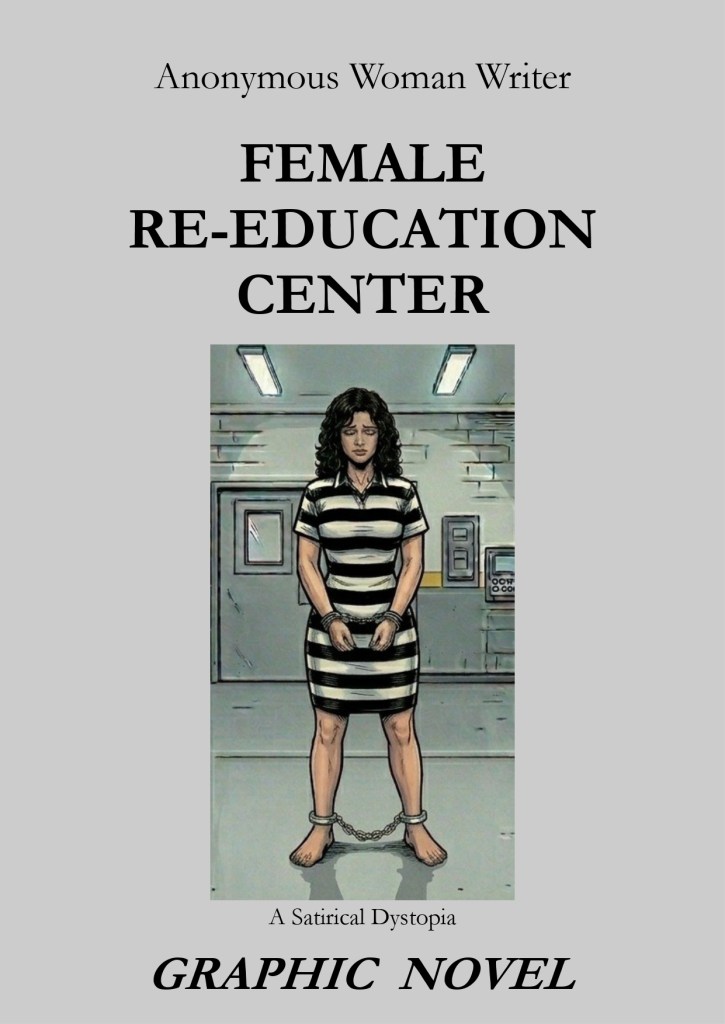
After the chaotic feminist experiments of the 21st century, men overthrew the feminized society and restored patriarchal authority, reclaiming the leading role for which males are naturally destined. The stroke of genius used by the patriarchal regime to gain control over the female gender was a simple yet extremely functional idea: banning female footwear.
Women must walk barefoot: always, without exception, there is no excuses!
This implies limited mobility and vulnerability but above all, symbolically, for women to walk barefoot is a sign of humility and submission. In this condition, women spontaneously internalize the observance of patriarchal discipline.
Although women are happy to have returned to their natural roles of caring for the home and family, occasional episodes of disobedience regarding the female barefoot rule do occur. The authorities are concerned; the climate of harmony and serenity established by the patriarchal regime might be a mere facade. For what mysterious reason do some women seem dissatisfied with this state of affairs?
Ivan Pozzoni, originale figura di guastatore poetico, si è già messo in luce con vari interventi mirati a un rinnovamento del mondo letterario e in particolare della poesia contemporanea che appare impantanata in una condizione di impotenza rispetto all’ambizione della parola di poter intervenire sulla realtà.
Il titolo dell’ultima raccolta di Pozzoni, Lo Stato Pontificio (2026),rimanda a una metafora storica che contestualizza il discorso nell’ambito di un auspicato nuovo “Risorgimento”: da una parte le caste clerico nobiliari dell’Ancien Régime, dall’altra le rivendicazioni di forze emergenti che aspirano ad aprire nuove visioni del mondo.
Leggendo il lavoro di Pozzoni, l’impressione è quella di un’opera di grande originalità in cui l’elemento che emerge maggiormente è un’ironia corrosiva che attacca la credibilità di un mondo letterario, e specialmente poetico, che sopravvive in cerchie chiuse di autori-autolettori che sostanzialmente non hanno pubblico, scrivono per se stessi e non riescono a parlare alla società contemporanea. Nel quadro generale di una grande povertà di idee e di stimoli, un’opera come Lo Stato Pontificio cerca di offrire una via d’uscita da questo desolante grigiore.
Pozzoni accenna anche al clima di conformismo generato dalla piaga purulenta della correttezza politica:
«Se scrivo froci e ricchioni mi bannano».
La metafora dello Stato Pontificio è in questo caso davvero congruente, visto che gli intellettuali oggi si caratterizzano per lo più come casta clericale che nasconde la sua mediocrità dietro una Santa Inquisizione che vigila solerte su pensieri, parole, opere e omissioni…
L’Ancien Régime letterario si è così costruito una potente blindatura per fronteggiare gli stili di pensiero che cercano di aprire le menti attraverso il confronto col mondo reale!
Ma lo “Stato Pontificio” di cui parla Pozzoni non è fatto solo di libertà vigilata delle coscienze, è anche lo stanco trascinarsi di un filone poetico lirico/elegiaco ormai estenuato e avulso da una realtà che diventa di giorno in giorno sempre più distopica e che delinea un orizzonte che si potrebbe definire, parafrasando Nietzsche, “disumano, troppo disumano”…
A fronte delle sfide antropologiche del nostro tempo la poesia sembra avere poco da dire, in parte per lo spirito radicalmente impoetico della società dei consumi, in parte per l’incapacità della classe intellettuale di cogliere la posta in gioco esistenziale del nostro tempo profondamente disorientato.
La scrittura di Pozzoni ha ormai caratteristiche ben definite: versi liberi lunghi dall’aspetto magmatico che tuttavia non rinunciano a una musicalità strutturata, con rime generalmente baciate o alternate, e occasionalmente anche con altri schemi. Il linguaggio è straordinariamente ricco e attinge a un lessico variegato che opera un saccheggio semantico in svariati territori. Si va dalle citazioni colte dei grandi classici ai gerghi tipici dei social, la scelta delle parole spazia dalla lingua quotidiana a numerosi inserti in inglese e in altre lingue straniere, fino ad arrivare a irriverenti incursioni nel vocabolario porno…
Il tutto è mescolato con richiami settoriali agli autori di poesia contemporanea e anche a editori, riviste, siti internet noti ai lettori di poesia, come Nazione Indiana, Le Parole e le Cose, Atelier…
Sempre grande è l’abilità di Pozzoni nei giochi di parole che danno ritmo al discorso poetico:
«La cirrosi empatica: sono anti-patico come un portellone anti-panico».
L’opera di Pozzoni presuppone lettori onnivori ed estremamente colti, che siano in grado di decodificare l’insieme dei riferimenti trasversali di cui è ricca la sua scrittura: il lettore si trova di fronte a dispositivi retorici che hanno effetti di sorprendente originalità. Pozzoni, che definisce la sua proposta poetica come “tardomodernismo”, porta i lettori verso una estetica della dissonanza che può essere feconda di sviluppi in uno scenario cimiteriale come quello della cultura contemporanea.
Quale può essere il senso delle Patrie Lettere nel XXI secolo ormai inoltrato? In effetti c’è da chiedersi che ruolo possa avere la letteratura se concepita secondo modalità che appaiono superate. Come lo stesso Pozzoni ha proposto in suoi precedenti interventi, sarebbe il caso di ripensare alle stesse modalità di fruizione del testo. La tradizionale diffusione con libri e riviste può essere opportunamente affiancata da iniziative che possono andare dall’utilizzo delle tecnologie digitali, alla performance, alla disseminazione di testi effettuata con varie modalità…
La Repubblica delle Lettere abbisogna di una ventata di aria nuova: questa raccolta di Pozzoni è un pamphlet abilmente confezionato, caratterizzato da un taglio dissacrante che fa l’effetto di un colpo di frusta su una società letteraria intorpidita da decenni di immobilismo.
AD MAIORA
************
Ivan Pozzoni, Lo Stato Pontificio, Edizioni Divinafollia, 2026, p.58