LA GUERRA È PACE
LA LIBERTÀ È SCHIAVITÙ
L’IGNORANZA È FORZA
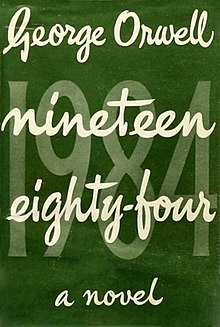
Il capolavoro della letteratura distopica, 1984 di George Orwell, è il testo di riferimento del genere fantapolitico. Scritto nel 1948 quel romanzo ha previsto molte delle caratteristiche sociopolitiche della modernità avanzata, ma quanto delle fosche previsioni di Orwell si è effettivamente realizzato, e con quali modalità il potere ha attuato le sue mire di controllo sui cittadini?
Orwell prendeva spunto dalle grandi dittature del ‘900 delle quali egli fu attento osservatore. Il regime del “Grande Fratello” può essere accostato al nazifascismo per gli aspetti guerrafondai, per la militarizzazione della società e per la ricerca di un nemico pubblico: la figura del “traditore” Goldstein è volutamente modellata da Orwell sull’esempio dello stereotipo ebraico come era caratterizzato nella propaganda dell’estrema destra.
Tuttavia è innegabile che il sistema descritto nel romanzo è assai più vicino al totalitarismo sovietico. Le caratteristiche di organizzazione sociale che vengono descritte in 1984 sono di chiara ispirazione comunista: la società è collettivista, non ci sono apprezzabili differenze di status sociale, se non fra membri del partito e comuni cittadini, le personalità individuali sono deboli e facilmente influenzabili. Del resto lo stesso partito al potere si chiama Socing (Socialismo Inglese).
Ma quello che maggiormente colpisce è il parallelismo sempre più evidente fra società globalizzata e distopia orwelliana. Infatti il mondialismo è il logico sviluppo del comunismo, del quale ha ripreso l’apparato di spionaggio e di censura: i moderni mezzi tecnologici offrono ai politici strumenti di controllo sulle masse che avrebbero fatto la gioia della STASI…
Il cuore dell’ideologia marxista è la soppressione delle libertà individuali, e poco importa che questo obiettivo venga raggiunto con un sistema di libero mercato. E se il comunismo trovava un contrappeso nel blocco occidentale, oggi il mondialismo non trova alcuna opposizione strutturata!
Lo “psicoreato” è una realtà consolidata, specialmente sotto la fattispecie vaga e onnicomprensiva della “discriminazione”, vero e proprio passepartout che permette di screditare e di attaccare a norma di legge ogni visione del mondo che non combacia coi desideri delle oligarchie mondialiste.
Anche il “sessoreato” è una realtà abbastanza vicina a come Orwell la immaginava. Salvo che lo scrittore inglese nella sua narrazione annoverava anche l’omosessualità fra i comportamenti devianti (come avveniva in Unione Sovietica). Le cose da questo punto di vista sono andate ben diversamente: era davvero difficile anche per un visionario come Orwell immaginare che la divinizzazione dell’omosessualità sarebbe divenuta il principale strumento per ottenere consenso politico!
Nel mondialismo i rapporti eterosessuali sono considerati un comportamento da sottoporre a rigida sorveglianza da parte di istituzioni che svolgono la stessa funzione che nel romanzo è affidata alla Lega Giovanile Antisesso, una delle più potenti organizzazioni politiche del “Grande Fratello”. Le attiviste della Lega Giovanile Antisesso sono l’esatto ritratto delle femministe odierne, ispirate a una morale sessuofobica e misandrica che viene propagandata da donne ideologizzate e da maschi prezzolati che le assecondano. Questi passi di 1984 sembrano scritti al giorno d’oggi:
“Erano infatti le donne — e specialmente le più giovani — a fornire al Partito i suoi affiliati più bigotti, pronte com’erano a ingoiare ogni slogan, a prestarsi a fare le spie dilettanti e le scopritrici dei comportamenti eterodossi…”
“Vi erano perfino associazioni, come la Lega Giovanile Antisesso, che propugnavano la totale castità per i membri di entrambi i sessi. I bambini dovevano essere generati per mezzo dell’inseminazione artificiale (insemart, in neolingua) e allevati dalle pubbliche istituzioni. Si trattava, come Winston sapeva bene, di poco più di un paradosso, ma era perfettamente in linea con l’ideologia complessiva del Partito, che si sforzava di distruggere l’istinto sessuale o, se un simile progetto si dimostrava impossibile, di stravolgerne il significato e insozzarlo. Winston non sapeva perché era così, ma gli sembrava naturale che così dovesse essere e, almeno per quanto riguardava le donne, gli sforzi del Partito erano coronati dal più completo successo”.
La riproduzione nel regime di 1984 sarebbe avvenuta per via artificiale, con un progressivo abbandono della via “naturale”: questa previsione si sta puntualmente verificando…
Nel contempo il Socing concedeva alle masse un ampio utilizzo della pornografia, ovvero incoraggiava una sessualità vissuta solo in maniera virtuale e spersonalizzata, proprio come avviene oggi!
Ma l’aspetto forse più vicino alla realtà contemporanea è la disciplina della proprietà privata, ufficialmente abolita ma con l’oligarchia di partito che controlla tutte le risorse. Così Orwell descrive il nuovo assetto sociale:
“Si era ormai capito da tempo che solo il collettivismo poteva garantire all’oligarchia il suo potere. Il benessere e il privilegio si difendono meglio quando sono un bene comune. Con la cosiddetta “abolizione della proprietà privata”, introdotta intorno agli anni Cinquanta, si intendeva in realtà la concentrazione della proprietà in mani molto meno numerose che in passato, con questa differenza: che i nuovi padroni non erano più una massa di individui, ma un gruppo ristretto”.
Pensiamo al modello di società imposto dalla globalizzazione: una ristretta cerchia di ricchissimi e un’immensa moltitudine di gente impoverita che magari è convinta di aver ottenuto l’uguaglianza perché partecipa a manifestazioni antirazziste sventolando bandiere arcobaleno…
Anche la pratica dei “due minuti di odio” si avvicina alle grandi cacce alle streghe che oggi il sistema organizza contro i dissidenti, veri o presunti: nazionalisti, razzisti, omofobi, maschilisti o più semplicemente complottisti o seguaci di culture alternative vengono indicati come gli elementi che turbano il quieto vivere e il benessere (?!?) della società globalizzata. E proprio come il Goldstein del romanzo questi “nemici” hanno tutta l’aria di essere qualcosa che non esiste nemmeno, e che viene creato ad arte dal sistema mediatico per offrire un comodo capro espiatorio alle frustrazioni di una massa abbrutita nella miseria e nell’ignoranza!
Quanto poi alla “neolingua”, basta pensare al genocidio culturale che la “correttezza politica” sta attuando sul patrimonio linguistico e storico che l’umanità ha elaborato nel corso dei millenni. Non siamo lontani dal “macchinario versificatore” che produce una letteratura anodina e insignificante per non “turbare” nessuno!
Così Orwell descrive il testo di una canzone ideata per intrattenere le masse:
“Si trattava di una delle innumerevoli canzoni, tutte dello stesso genere, messe in circolazione a beneficio dei prolet da una sottosezione del Reparto Musica. Le parole non erano opera di esseri umani, ma di un macchinario detto versificatore, però la donna le cantava in maniera così intonata da rendere quella porcheria quasi piacevole”.
Per quanto riguarda il “controllo del passato”, abbiamo già le leggi che impongono la verità di stato sulla storia! La percezione che si forma degli avvenimenti passati è decisiva per l’interpretazione del presente, quindi la politica è intervenuta sul tema con la complicità di un gran numero di sedicenti “intellettuali” che si prestano volentieri alla soppressione della libertà di ricerca.
Incredibilmente attuale è la descrizione della psicologia degli “ortodossi”, cioè di coloro che hanno interiorizzato l’ideologia del potere adeguandosi ai suoi dettami senza nemmeno rendersene conto:
“Un membro del Partito non deve avere soltanto le opinioni giuste, ma anche gli istinti giusti. Gran parte delle convinzioni e dei comportamenti che gli vengono richiesti non sono esplicitati con chiarezza: ove ciò avvenisse, ne risulterebbero smascherate le contraddizioni intrinseche al Socing. Se è un ortodosso nato (in neolingua: un buonpensante), saprà in ogni circostanza, senza neanche stare a riflettere, qual è l’opinione giusta o il tipo di emozione richiesta. In ogni caso, una sofisticata pratica mentale, avviata già nell’infanzia e che si può immaginare concentrata attorno alle parole in neolingua stopreato, nerobianco e bipensiero, lo rendono refrattario e inetto ad approfondire troppo un qualsiasi argomento”.
Fin troppo evidente, in questa descrizione, il ritratto dell’umanità contemporanea, intorpidita dal sistema mediatico mondialista che la indottrina dalla culla alla bara. L’uomo medio è ormai ridotto a un cadavere psichico, una sorta di zombi che si muove senza volontà propria nelle direzioni che gli vengono imposte dal sistema.
La pratica del “bipensiero”, poi, è quella che più di ogni altra avvicina l’atmosfera del romanzo all’ipocrisia della “correttezza politica”, un vero e proprio fenomeno di dissociazione della personalità che è ormai divenuto il tratto fondamentale della psicologia di massa nel XXI secolo: una serie di pensieri e di comportamenti ai quali nessuno crede vengono adottati senza battere ciglio e sono tacitamente accettati senza riserve. Nella neolingua questi tipi umani vengono definiti “buonpensanti”. Orwell ci parla in questi termini di un modo di ragionare che si colloca al di fuori di qualsiasi possibilità di vaglio critico:
“Il Partito è in ogni circostanza il detentore dell’assoluto, e l’assoluto non può mai essere diverso da ciò che è in quel dato momento. Si vedrà che il controllo del passato dipende soprattutto da una sorta di addestramento della memoria. Fare in modo che tutti i documenti scritti siano conformi all’ortodossia del momento è un atto puramente meccanico. È però anche necessario ricordare che gli avvenimenti specifici hanno avuto luogo in quel modo desiderato. Se poi si deve dare un nuovo ordine a ciò che si ricorda o falsificare i documenti scritti, diviene necessario dimenticare di aver agito in quel modo. Si tratta di uno stratagemma che può essere appreso come qualsiasi altra tecnica mentale. Certamente lo apprendono quasi tutti i membri del Partito e tutte le persone intelligenti e perfettamente osservanti dell’ortodossia. In archelingua un simile procedimento viene definito, in maniera affatto esplicita, “controllo della realtà”; in neolingua viene detto bipensiero, anche se questo termine abbraccia molto altro.
Il bipensiero implica la capacità di accogliere simultaneamente nella propria mente due opinioni tra loro contrastanti, accettandole entrambe. L’intellettuale di Partito sa in che modo vanno trattati i suoi ricordi. Sa quindi di essere impegnato in una manipolazione della realtà, e tuttavia la pratica del bipensiero fa sì che egli creda che la realtà non venga violata. Un simile procedimento deve essere conscio, altrimenti non potrebbe essere applicato con sufficiente precisione, ma al tempo stesso ha da essere inconscio, altrimenti produrrebbe una sensazione di falso e quindi un senso di colpa. Il bipensiero è l’anima del Socing, perché l’azione fondamentale del Partito consiste nel fare uso di una forma consapevole di inganno, conservando al tempo stesso quella fermezza di intenti che si accompagna alla più totale sincerità. Raccontare deliberatamente menzogne e nello stesso tempo crederci davvero, dimenticare ogni atto che nel frattempo sia divenuto sconveniente e poi, una volta che ciò si renda di nuovo necessario, richiamarlo in vita dall’oblio per tutto il tempo che serva, negare l’esistenza di una realtà oggettiva e al tempo stesso prendere atto di quella stessa realtà che si nega, tutto ciò è assolutamente indispensabile. Perfino quando si usa la parola bipensiero è necessario ricorrere al bipensiero. Nel farne uso, infatti, si ammette di manipolare la realtà, ma con un novello colpo di bipensiero si cancella questa consapevolezza, e così via, all’infinito, con la menzogna in costante posizione di vantaggio rispetto alla verità. In fin dei conti, è per mezzo del bipensiero che il Partito è riuscito (e, per quanto ne sappiamo, una simile impresa potrebbe andare avanti per migliaia d’anni) ad arrestare il corso della Storia”.
È esattamente questo che si è verificato col mondialismo: l’impressione che la storia si sia fermata, che non ci sia più uno sviluppo, un cambiamento, una qualche modificazione delle vicende umane: l’immagine che il sistema dipinge di se stesso è quella di un’umanità arrivata alla messianica “pienezza dei tempi”, una sorta di paradiso in terra in cui tutti i problemi sono risolti, tutte le difficoltà sono superate, tutto è alla portata di tutti…
Per chi ha ancora qualche rapporto con la realtà l’impressione è che non ci sia niente per nessuno… ma sulle masse la retorica del progresso all’infinito riesce ancora a sortire un effetto ipnotico!
Nel romanzo perfino l’opposizione al sistema è… una creazione dello stesso regime per scovare e neutralizzare eventuali oppositori! Così nel mondialismo vediamo partiti politici che si presentano come alternativi e che vengono ammorbiditi e fagocitati dal sistema con una rapidità impressionante. Quanto poi a fantomatici gruppi eversivi che di tanto in tanto fanno capolino nei telegiornali, sembrano davvero poco credibili e hanno tutta l’aria di invenzioni mediatiche per spaventare le masse lobotomizzate.
E per concludere, occorre rilevare che Orwell si limitava a descrivere ciò che si può ottenere col potere dell’ideologia e della propaganda, strumenti di notevole efficacia, ma che oggi appaiono superati dai più recenti metodi di controllo mentale, metodi di cui si hanno poche notizie ufficiali, ma che possiamo facilmente immaginare…
Forse nel XXI secolo non c’è nemmeno più bisogno del “Ministero della Verità”!