O Goddess, sing…

The wrath of Peleus’ son, the direful spring
Of all the Grecian woes, O Goddess, sing!

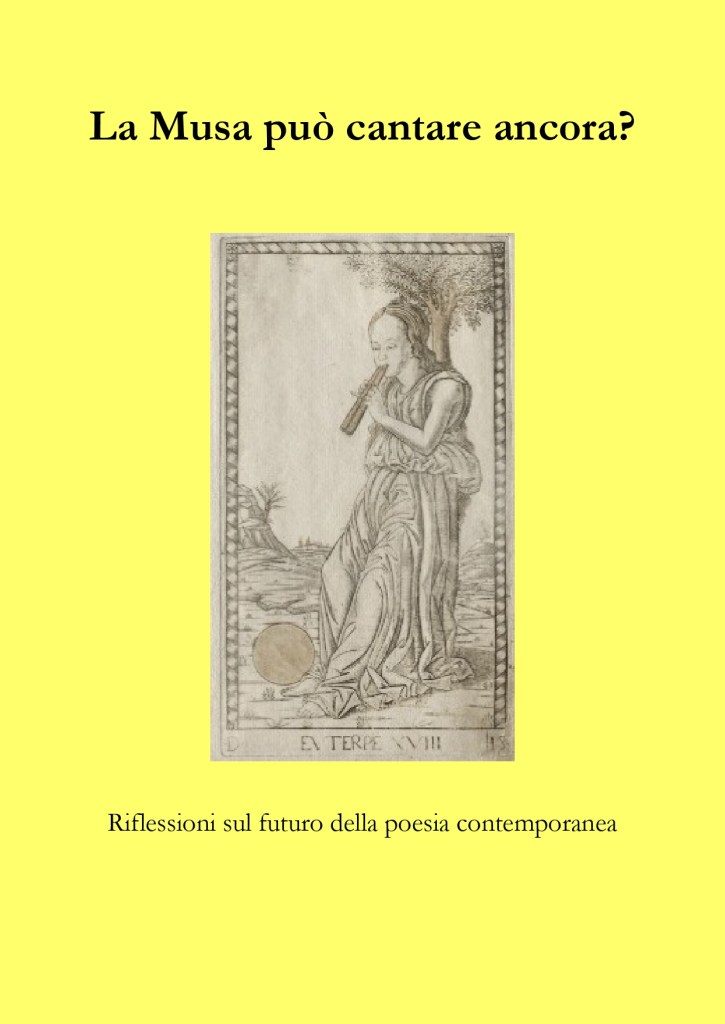
Western culture begins with the invocation to the Muse at the beginning of the Iliad: from this consideration we can grasp the meaning of the essay Walter Friedrich Otto published in 1954 on the controversial topic of the origin of language: The Muses and the Divine Origin of Word and Song.

Otto’s study begins with the Nymphs, the mythical creatures who populated the natural elements and who provoked in those who abandoned themselves to the contemplation of nature a spiritual earthquake similar to that of poetic infatuation. Like the Nymphs, the Muses also enrapture the souls of mortals, elevating them to the role of poets.

The Muses, from whose name derives that powerful realm of sounds we call “music,” were daughters of Zeus and Mnemosyne. These daughters of the father of the gods and of the Titanic mother who symbolizes memory, the nine Olympian deities gave voice to the wonders of the world.

Mythology has also handed down the stories of the sons of the Muses—Linus, Orpheus, Thamyris, and Rhesus—who represented the different forms of expression in song and poetry.

In the Christian era, in the year 404, a fire destroyed the statues of the Muses in the Senate of Constantinople. According to Zosimus, who reports the episode, this was a sign of the profound miseducation that was about to overtake the human race.

Otto believes that the myth of the Muses is the most convincing demonstration of the divine origin of language, which was born primarily as song. Indeed, language can be a simple system of acoustic signaling, but when expressed through articulated song, as also occurs in some animal species, language presupposes an attitude of self-representation that connects a being with the world: in song, a living knowledge resonates.

As von Humboldt argued, things become present in language: they appear to the word as mythical entities. Proof of this is the many abstract concepts that originated as personifications: love, freedom, fidelity, victory…

And not only do the Muses sing, they also dance, and in dance the body rediscovers itself entirely, in the rhythmic movement that follows the music.

Modern theories on the origin of language speak of the birth of words due to utilitarian motives. But in reality, every human language possesses an astonishing richness and capacity for nuance, and if language were to satisfy only material needs, it would be enough to express itself with the sounds of animals.

Precisely for this reason, poets and musicians are the representatives of an absolutely original form of language. Goethe also expressed a similar concept when he said that listening to Bach’s music, he felt as if he were hearing something that had happened in God’s heart shortly before the creation of the world.

Otto’s book is still formative reading for scholars of classics and linguistic disciplines, even if in some respects the essay has been surpassed by more recent philological research (for example, Otto reports the old etymology of Juno Moneta, recently clarified by Jean Haudry).

Otto’s conclusion somehow recalls Heidegger’s idea of ​​”listening”: the words are one with the goddess’s song, that is, the revealing opening of the world and the divine.

____________

Walter Otto, Die Musen und der göttliche Ursprung des Singens und Sagens, Diederichs,, 1956
Cioran, the Antiprophet

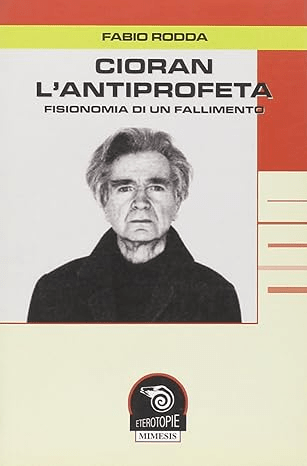
Emil Cioran, the philosopher of despair who better than anyone else explored the feeling of anguish, is still a little-studied figure given the crucial importance of his work. A significant contribution to a greater understanding of the Romanian thinker is Fabio Rodda’s book, Cioran, l’antiprofeta. Fisionomia di un fallimento (“Cioran, the Antiprophet. Physiognomy of a Failure”). Rodda, a young philosophy scholar and graduate of the University of Bologna, made a brilliant debut on the literary scene with this thorough and well-researched essay.

The first part of the book analyzes Cioran’s Romanian period. In 1933, at just 22 years old, Cioran published On the Height of Despair, a work characterized by remarkable maturity and stylistic certainty, which was immediately appreciated by the intellectual world. Even in this first publication, the fundamental themes of Cioran’s thought emerge: nihilism, anguish, the pain of living, and existential disorientation. On the height of Despair also attracted reader’s attention for his choice of language, not purely philosophical, but decidedly lyrical. This youthful period also included his support for the “Legion of the Archangel Michael,” Codreanu’s political movement, which, with its mystical and apocalyptic nationalism, fascinated the most brilliant minds in Romania at the time. In 1936, Cioran wrote the nationalist essay Schimbarea la față a României (“The Transfiguration of Romania”) and collaborated with far-right magazines, writing articles that would later provide his opponents with the pretext for a predictable accusation of “fascism,” which, naturally, would damage his intellectual career.

Rodda, who makes no secret of his sympathy for liberal democracies, nevertheless reveals an ability to unprejudicedly grasp the motivations that inspired the ideological choices of Cioran and many intellectuals who lived in those historical junctures, and objectively analyzes some of Cioran’s consensus statements regarding nationalist regimes. Cioran, however, had no ambitions for a political career, and by the late 1930s, he had already shown little interest in the events involving Romania during the tumultuous years of the Antonescu regime. The philosopher continued his intellectual journey by publishing in 1937 Tears and Saints, a major work that explores the dimension of faith and the condition of sanctity, which Cioran defines as an “exact science.” Cioran, an anti-dogmatic thinker by definition, condemns the systematization of faith in theology and is fascinated by the vertigo of mystical experience, through which man approaches that indeterminable dimension to which he instinctively tends and which he can touch in moments of ecstatic rapture. This book also highlights Cioran’s particular interest in music, seen as a privileged means of approaching the transcendent. The second part of the essay is dedicated to the period that began with Cioran’s move to Paris in 1937.

The Romanian philosopher decided to write in French, a language that allowed his works to be much more widely distributed, and in 1949 his masterpiece, A Short History of Decay, was published. This book is a kind of prose poem in which the human condition is viewed with merciless lucidity in its absolute meaninglessness and the impossibility of any foundation: the analysis of existential positions is pushed beyond limits that even Leopardi and Schopenhauer had not dared to transgress. Rodda also analyses Cioran’s relationship with the culture of the time, and in particular with that of engaged France, in which Sartre was the intellectual of reference. Naturally, Cioran’s thought, entirely focused on the exploration of nihilism, could not be in tune with the superficial optimism of progressive intellectuals, and while Sartre led the crowds of 68 in the squares of Paris, Cioran lived on the threshold of poverty in the modest attic where he had found a home. Cioran’s intellectual activity continued with the publication of other important books in which the thinker continued to reiterate the total lack of meaning in life, going so far as to define failure as the inescapable horizon of human experience. Particularly interesting is History and Utopia (1960), which examines man’s two fundamental attitudes towards history: the time of action, which is a mad enthusiasm blinded by contingency, and utopia, which is an illusion provided by history itself as a way out of it. With extraordinary foresight, Cioran outlines in History and Utopia the demonic horizon of globalization, and writes: «the dispersed human flock will be reunited under the guard of a ruthless shepherd, a sort of planetary monster before which the nations will prostrate themselves, in a state of dismay bordering on ecstasy».

In the final chapter, Rodda notes how Cioran’s thought has become an essential point of reference for navigating an era of great uncertainty that calls for new cultural and ideological syntheses. Cioran, a master of aporia, yet never lost his passion for research and discussion, develops an “incendiary” thought capable of challenging every dogma. Rodda cites at the end of the book a quote from the great Romanian thinker that effectively describes the sense of uprootedness afflicting the contemporary world: “I am a metaphysical stateless person, a bit like those Stoics at the end of the Roman Empire who felt they were ‘citizens of the world,’ which is to say they were citizens of no place».

Fabio Rodda, Cioran, l’antiprofeta. Fisionomia di un fallimento, Mimesis, Milano 2006, pp.214

Ritual Abuse and Mind Control

Ritual Abuse and Mind Control – The Nameless Religion

________________________

Dissociative personality disorder is the most characteristic phenomenon of the times we live in: everyone claims to be skeptical and distrustful of globalization, immigration, transnational institutions, and gender ideology, yet everyone supports a political class devoted to globalism, as if public opinion were acting independently of its own true will, almost as if under hypnosis…

The dynamics of a split personality, incapable of assuming a proper identity and therefore easily controllable, now seem to have entered everyday life, generating a system of social automatism that appears unstoppable. The techniques for chloroforming public opinion range from classic methods of propaganda and social pressure to systems imposed under health pretexts, such as vaccines. But the phenomena of pedo-Satanism that sometimes surface in television news suggest more targeted, and infinitely cruel, methods for obtaining veritable mental slaves who can be controlled at will and used for specific purposes.

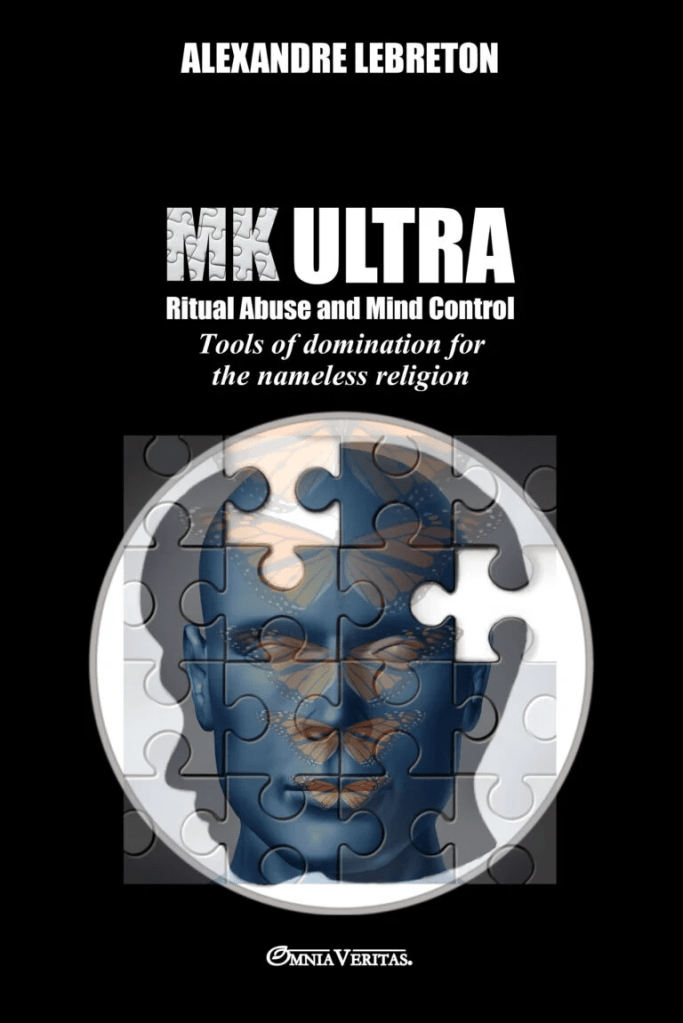
Alexandre Lebreton has published a monumental study on the connections between mind control programs and child sexual abuse: MK Ultra. Ritual Abuse and Mind Control: Tools of Domination for the Nameless Religion. These are not entirely new topics, but this text is the first to attempt to provide an overview of the vast globalist plan aimed at suppressing the very idea of ​​self-awareness.

The MK Ultra program, as is well known, was carried out in the United States in the 1950s and 1960s. Officially, these experiments were discontinued, but as we can see, everything suggests that these programs are now widely used.

Lebreton studies mind manipulation technologies in light of the developments of subliminal messaging, psychotronic weapons, experiments at the Tavistock Institute, and relentless mass media propaganda campaigns. Much of the book is devoted to child sexual abuse aimed at personality fragmentation. The famous Dutroux case, which occurred in Belgium in the 1990s, is one of the most significant events in this type of investigation, not least because it occurred precisely at the time and place where Western oligarchies were architecting the European Union…

But the author also considers historical cases documented in the 19th century that can be traced back to mental manipulation techniques. Split personality manifests following extremely traumatic events: the author believes that traumatized children can therefore also be used by adults as self-directed automatons, devoid of their own will. Multiple personalities within the same individual are activated through hypnosis techniques. Some of these mental slaves are used for intelligence operations, but most are channeled into the world of entertainment, so as to become a model for the masses. The lifestyles promoted by the Star System, completely unrealistic, encourage the masses to adopt forced and unnatural behaviors that serve to sustain an economic model based on luxury consumption and speculative economics. Part of the book reviews the most prominent figures in the entertainment world, who often exhibit clear symptoms of dissociative personality disorder. Among the most famous names: Marilyn Monroe, James Dean, Peter Sellers, Robin Williams, Leonardo DiCaprio, Elvis Presley, Jimi Hendrix, Britney Spears, Eminem, Lady Gaga…

Furthermore, child abuse, being a particularly heinous crime, lends itself particularly well to the practices of blackmail and “pacts with the devil,” which are routinely practiced in the secret chambers of globalist power…

Lebreton believes that the origins of these practices of mental enslavement lie in what he calls the “nameless religion”, an ancient mystery religion of Babylonian origin that has been passed down through the millennia through Gnosticism and secret societies, reaching down to the present day. The author links these mental manipulation techniques to ancient shamanic rituals and notes that split personality is the typical phenomenon of demonic possession. Manipulative techniques are obviously most effective at a young age, especially within the first six years of life, when the personality is extremely malleable. The violence and trauma to which children are subjected is varied: from beatings to deprivation, from sexual abuse to cruelty to beloved pets…

Particularly significant is the case of Kim Noble, an English painter whose valuable works reveal multiple personalities, sometimes bearing witness to the violence and harassment they endured. Kim Noble’s works are an important testimony from which we can glimpse the pedophilic logic of globalist elites.

Multiple personalities are a pervasive and deeply rooted theme in the modern imagination, from Dr. Jekyll and Mr. Hyde to the superhero Hulk: Lebreton’s book also explores how literature and cinema have popularized the topic among the general public.

Awareness is the first step toward change, and the French scholar’s research is a goldmine of useful information for lifting the veil on the hidden mechanisms of power. The text on the “nameless religion” is attracting great interest and is available in French, English, German, Spanish, and Italian.

Alexandre Lebreton (perhaps a pseudonym?) also maintains a blog dedicated to these topics and a YouTube channel:

– MK-Polis (eklablog.com)

(1) Alexandre Lebreton – YouTube

Alexandre Lebreton, MK Ultra – Ritual Abuse and Mind Control, Omnia Veritas Ltd 2022

MK Ultra – Ritual Abuse and Mind Control – Omnia Veritas

Reflexions on the Future of Contemporary Poetry

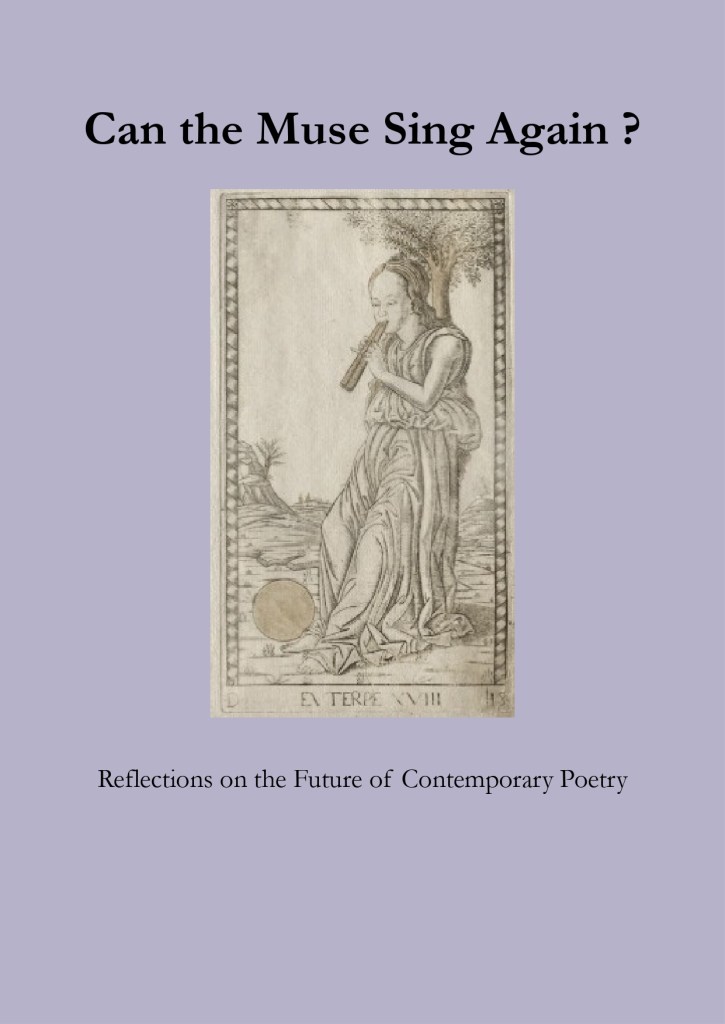
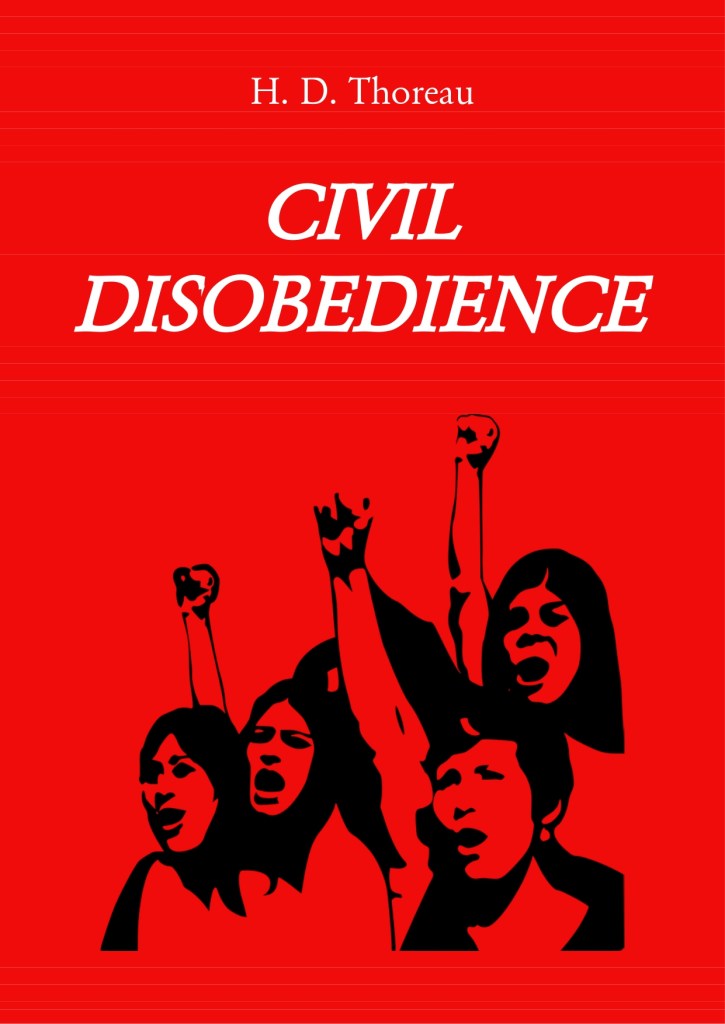
Can the Muse Sing Again?

FREE PDF

Poetry, as is well known, has for several decades now become the Cinderella of literature. The art of verse is essentially alien to the contemporary reader’s mindset, and poetry books have a negligible impact on the book market. Apparently, then, poetry seems relegated to a small circle of professionals, or to a crowd of amateurs who think they are poets because every now and then they write with a line break…
But there are also some who wonder if there might be alternative horizons for what was once the queen of literary expression.
Among the voices proposing new ways of approaching the public, Ivan Pozzoni stands out for his originality. He has drafted an “Anti-Manifesto” of the “Neon-avant-garde,” not without inspiration for those who aspire to speak to the public with renewed modes of expression.
The key points of Pozzoni’s Manifesto are the following:- challenge nomadic capitalisms and multinational authorities- place faith in dialogue between even profoundly different cultural worlds, which can give rise to fruitful syntheses- encourage the production of collective and anonymous artistic forms that escape market logic- learn to engage in cultural “terrorism” to counter the nihilistic ontology that permeates our time- focus on a renewed appreciation of irony as a means of overturning dominant narratives- think of the figure of the intellectual in terms of militancy- acknowledge the exhaustion of the function that literary criticism had in the 20th centuryThese programmatic points appear decidedly intriguing to those who perceive the climate of suffocating conformism plaguing the contemporary scene: the intellectuals of the last thirty years have been unable to do better than pose as court poets of globalist power!The world of poetry seems particularly removed from cultural debate. Contemporary poetry, an insignificant sector in the book market, is characterized by the fragmentation of writing experiences, with authors gathered in catacomb-like cliques or isolated in pathetic literary narcissisms.Some of Pozzoni’s proposals can certainly provide a boost to a literary world mired in immobility. In particular, the invitation to dialogue between languages, besides being ethically important, distances itself from elitist closures and enriches fields that might seem arid from certain perspectives.Overcoming the artist’s ego is a particularly stimulating theme in Pozzoni’s reflections. While abandoning the ego risks compromising the originality of his works, it can nevertheless pave the way for a new/ancient conception of the literary work. Indeed, the internet’s frontier fosters a practice of disseminating and enjoying literature that opens up to forms of collective sharing that evoke the idea of ​​creative work as an expression of shared sentiments through an impersonal voice: a concept that recalls the shared enjoyment of art typical of past centuries, particularly Antiquity and the Middle Ages.Pozzoni traces the beginning of the literary ego to Dante Alighieri and the transition from the Middle Ages to Humanism: the father of Italian literature represents the summa of medieval literary expression, but also the beginning of a new era, an era whose conceptions of creative work still influence contemporary practices.Another interesting aspect is the emphasis on irony, an especially timely attitude in a time when the grip of political correctness has strangled free expression and the spontaneity of social behavior. This is certainly the most problematic point, as current ethics have been reshaped based on austere moral codes that have profoundly altered mass psychology. Irony, mockery, humor, and sarcasm today risk being relegated to the all-encompassing category of “discrimination,” or, worse still, these elements aren’t even perceived…
We’ve now reached forms of self-censorship that have taken us back to the time of the Inquisition or projected us into the dystopian future of Orwellian thoughtcrime!Finally, Pozzoni emphasizes the importance of a militant attitude. In the age of globalization, most intellectuals have done nothing but retreat into ivory towers, carving out a niche of media visibility that is entirely unproductive for broadening public awareness. Pozzoni obviously doesn’t mean militancy in the sense of partisan commitment, but rather as a call to ethics and responsibility toward a reality that increasingly lends itself to challenging established positions.Pozzoni, like many other intellectuals, deplores the proliferation of publishing houses and the practice of self-publishing, which have given rise to the phenomenon of mass amateurism. However, it should also be noted that this widespread publishing opportunity offers an opportunity for original and unconventional voices that are excluded from the mainstream publishing circuit. In short, more poetry has never been written than today. The challenge is rather to stimulate the public’s sensitivity to poetic expression, restoring strength and moral vigor to a language that, trivialized by the mass media, has been drained of energy and the ability to move consciences. In this regard, the web offers great opportunities, but it would be appropriate to ask how to integrate internet resources with other tools: artistic performances, spaces for public sharing, and initiatives that engage audiences, even those unaccustomed to enjoying poetic texts.Pozzoni’s guiding ideas seem like a useful provocation to stir the murky waters of the current cultural landscape. Starting from these assumptions, we can demonstrate the desire to create a movement capable of drawing media attention to a potentially surprisingly innovative cultural phenomenon.
AD MAIORA

_____________________________

Blog edited by Ivan Pozzoni
kolektivnenseae.substack.com/